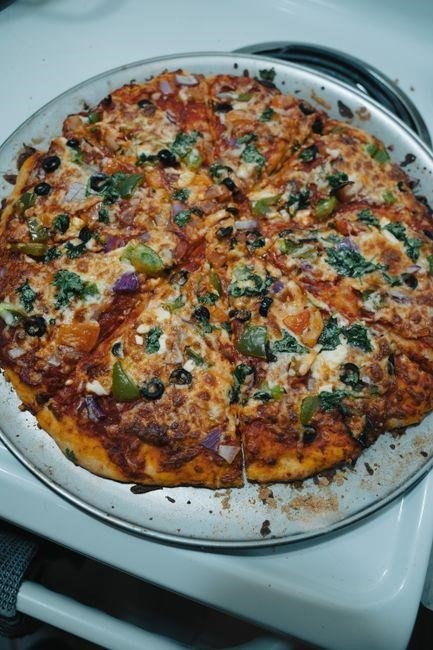
home run pizza cooking instructions
Overview of Home Run Pizza
Home Run Pizza offers a thin‑crust option that cooks in 2‑3 minutes at 425‑450°F. Larger, thicker‑crust versions need 3‑4 minutes. Preheat oven, place directly on rack or on a sheet for softer crust, and follow box for best results. Keep the pizza wrapped until baking to preserve moisture.
Popularity and Key Features
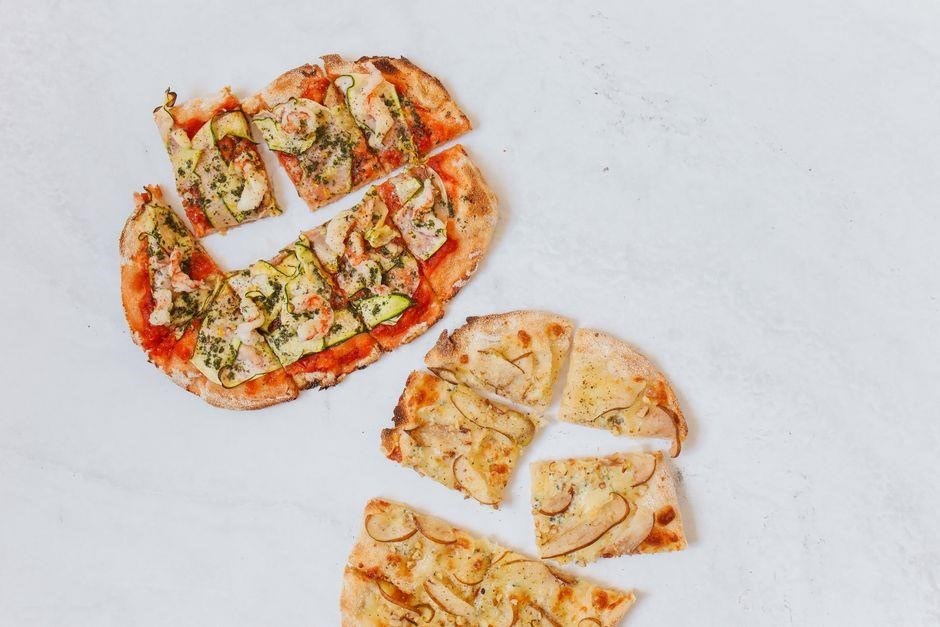
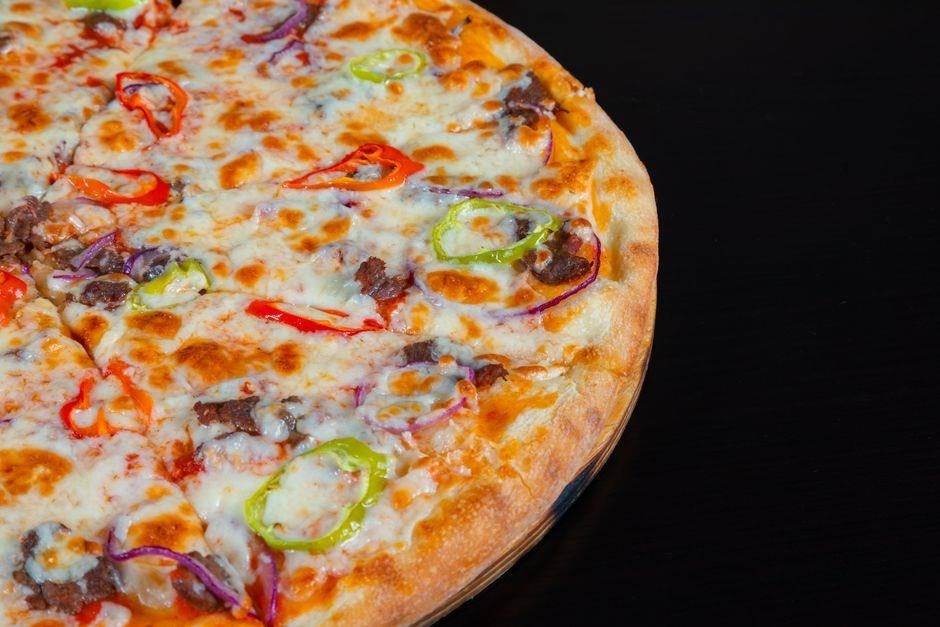
Home Run Pizza has become a staple among frozen pizza lovers, thanks to its crisp thin crust and generous topping distribution. The brand’s marketing emphasizes a “home‑run” experience, promising a slice that feels freshly baked. Consumers often cite the “balanced flavor profile”—mildly seasoned cheese, a subtle tomato base, and a hint of oregano as a key reason for repeat purchases. The pizza’s packaging is designed for quick prep: the box is pre‑shrinkwrapped, and the instructions recommend baking at 425‑450°F for 2‑3 minutes on a high rack, which yields a golden edge without over‑browning the toppings; Many reviewers note that the thin crust remains tender even after a short bake, avoiding the rubbery texture common in other frozen options. Additionally, the product’s availability in both small and large sizes caters to individual diners and family gatherings alike. The brand’s reputation for consistency, combined with occasional promotional offers such as BOGO deals at major retailers, keeps the pizza in high demand. Overall, Home Run Pizza’s blend of convenience, taste, and reliable performance has earned it a loyal fan base in the competitive frozen pizza market. For those who prefer a crispier crust, preheating the oven to 450°F and placing the pizza on the middle rack can enhance the golden edge while keeping toppings moist. Many users report this method preserves texture better than baking on a sheet. It reduces cooking time.!
Typical Ingredients
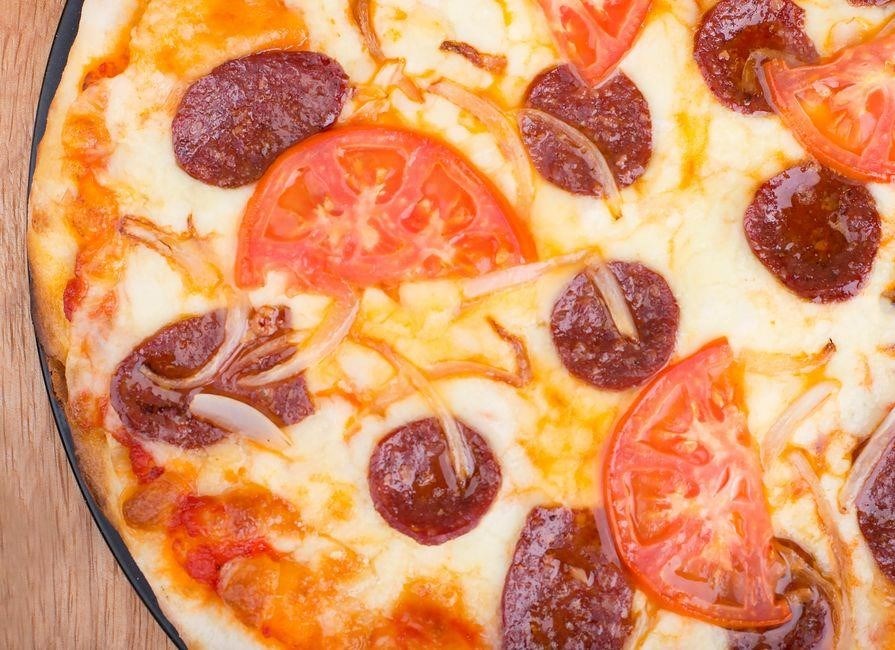
Home Run Pizza’s standard recipe centers on a thin, hand‑rolled dough that delivers a light, airy base. The sauce is a seasoned tomato blend, lightly spiced with garlic, onion, and oregano, providing a subtle sweetness that balances the savory toppings. The classic “home‑run” topping set often includes pepperoni slices, each thinly sliced to ensure quick, even cooking, and a sprinkling of sliced black olives for a briny contrast. For those who prefer a vegetarian option, the pizza can be topped with diced bell peppers, mushrooms, and spinach, all lightly sautéed before being arranged on the dough. A final drizzle of olive oil and a dusting of fresh basil leaves add aroma and a touch of freshness. The combination of these ingredients yields a balanced flavor profile that satisfies both casual snackers and pizza aficionados alike.
Each pizza is individually shrink‑wrapped, ensuring freshness until the moment of baking. Store in a cool, dry place and refrigerate leftovers promptly to maintain safety and flavor.
When reheating, place the pizza on a preheated baking sheet for 3–4 minutes at 425°F to revive the crisp crust. Avoid microwaving, which can make the dough soggy. For leftovers, wrap the slices in parchment paper and store in an airtight container in the refrigerator; consume within 3 days. If freezing, keep the pizza in its original packaging and thaw in the fridge overnight before reheating. Enjoy!!! Stay safe. Enjoy.
Packaging and Storage Tips
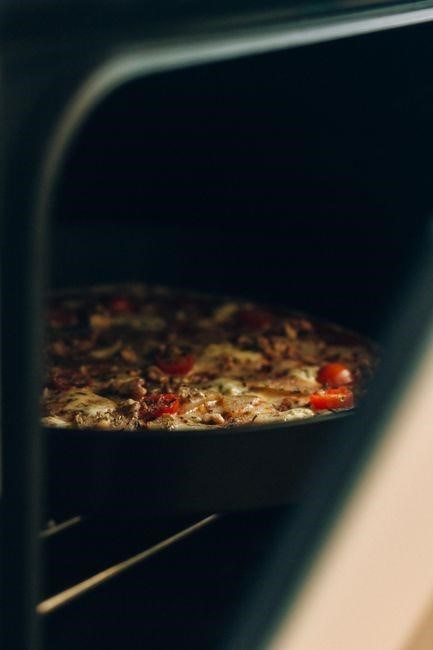
Home Run Pizza arrives in a sealed, shrink‑wrapped package that locks in freshness and keeps the dough from drying out. Before you begin, peel the pizza from all packaging and discard the plastic wrap. If you’re aiming for a crispier crust, place the pizza directly on a preheated baking sheet; for a softer base, use a direct rack. Store unopened pizzas in a cool, dry pantry for up to 30 days. Once opened, keep the pizza in an airtight container or resealable bag to preserve flavor. Refrigerate leftovers promptly—do not leave them at room temperature for more than two hours—to reduce bacterial growth. For longer storage, freeze the pizza in its original packaging; thaw in the refrigerator overnight before reheating. When reheating, set the oven to 425°F and bake for 3–4 minutes, or until the cheese is melted and the crust is golden. Avoid microwaving, as it can make the dough soggy. Keep raw meats separate from other foods, wash cutting boards and utensils after contact, and always cook to the recommended temperature. Follow these steps to maintain safety and flavor. Enjoy each bite. For the freshest taste, reheat each slice individually, not the whole pizza. Always check the internal temperature; it should reach at least 165°F. Enjoy responsibly.
Choosing the Right Pizza Size and Crust
Choose a small or medium thin‑crust pizza for quick 2‑3 minute baking at 425‑450°F. If you prefer a hearty bite, pick a large thick‑crust version that needs 3‑4 minutes. Match size to appetite and oven space for optimal results; and enjoy. now!
Small to Medium-Sized Pizzas
When preparing a small or medium Home Run Pizza, begin by removing all packaging and any shrink‑wrap. This step ensures the crust receives even heat and prevents excess moisture from steaming the pizza. Place the pizza on a clean, dry surface before transferring it to the oven. Preheat the oven to the temperature indicated on the pizza box; most small and medium options recommend a setting that allows the dough to rise slightly while the cheese melts to a glossy finish. Position the pizza on the middle rack, which promotes uniform heat distribution and a crisp base. Keep the pizza in its original shape; avoid cutting or rotating it during the first few minutes of baking to maintain a consistent crust texture. When the pizza reaches the desired golden‑brown hue, carefully remove it from the oven with a heat‑resistant spatula. Let it rest on a cooling rack for a minute or two to allow steam to escape. Serve immediately, cutting into slices with a sharp pizza cutter. If you have leftovers, place the cooled pizza in an airtight container and refrigerate within two hours of cooking to preserve freshness and reduce growth. For best results, reheat leftovers in a skillet or oven at a moderate temperature until the cheese is bubbly and the crust is crisp again. This approach keeps the flavor profile intact while ensuring safety and quality throughout the meal cycle. Enjoy the pizza! Yum.
Large Pizzas with Thick Crust
Large Home Run pizzas that feature a thick, hearty crust demand a slightly longer baking period than their thinner counterparts. The recommended oven temperature remains between 425°F and 450°F, but the cooking time extends to 3–4 minutes to allow the dough to rise fully while the cheese melts to a golden, bubbly finish. Begin by removing the pizza from all packaging and any shrink‑wrap; this step prevents excess moisture from steaming the crust. Place the pizza on a preheated baking sheet or directly on the middle rack, depending on your oven’s heat distribution. If you prefer a softer, more pliable base, a baking sheet is ideal; for a crispier edge, the direct rack method works best. Keep the pizza in its original shape and avoid rotating it during the first minute of baking to maintain even heat exposure. After the 3–4 minute bake, use a heat‑resistant spatula to lift the pizza from the oven. Let it rest on a cooling rack for one minute to allow steam to escape and the crust to set. Serve immediately, slicing with a sharp pizza cutter. Leftovers should be stored in an airtight container in the refrigerator within two hours of cooking. When reheating, a quick 2–3 minute bake at 350°F restores the crust’s crispness and the cheese’s melt. This method preserves flavor, texture, and safety for a satisfying meal. Enjoy this hearty pizza with a side of fresh salad or a glass of chilled beer to complete a comforting, flavorful dinner experience for all ages!!.
Cooking Methods and Oven Settings
Preheat oven to 425–450°F. Place pizza on middle rack or baking sheet. Bake 8–12 minutes until golden. For thin crust, 2–3 minutes; thick crust, 3–4 minutes. Keep pizza wrapped until baking to lock moisture. Serve hot with a cold drink. now! ok
Begin by preheating the oven to a high temperature between 425°F and 450°F, ensuring the heating element is fully engaged. Place Home Run pizza directly on the middle rack or, if you prefer a softer crust, on a preheated baking sheet. The high heat quickly caramelizes cheese and crisps the crust without drying out toppings. For a thin‑crust pizza, a 2‑3 minute bake is usually sufficient; thicker crusts may need 3‑4 minutes. Keep pizza wrapped until it reaches the oven, then remove wrapper to allow surface to brown. Use a timer to avoid over‑baking, as short cooking window can easily turn a perfectly cooked slice into a charred one. After baking, let pizza rest for a minute or two before cutting to allow cheese to set, preventing it from sliding off slice. If you’re cooking multiple pizzas, rotate them halfway through the bake to ensure even cooking. Finally, serve immediately or store leftovers in an airtight container in the refrigerator, reheating in a 350°F oven for 5‑7 minutes to regain crispness.
When using a baking sheet, preheat it along with the oven to maintain consistent heat. If you find the top of the pizza browning too quickly, lower the rack slightly or tent a piece of foil over the top. The oven’s convection fan, if available, should be turned on to circulate heat and reduce cooking time. For those who enjoy a crispier edge, place the pizza on a pizza stone or steel; these materials conduct heat more efficiently, giving a uniformly golden crust. Always keep a close eye on the pizza, as the high temperature can cause rapid browning. If you’re using a microwave to thaw the pizza before baking, ensure it is fully thawed to avoid uneven cooking. After the pizza is done, use a pizza cutter or a sharp knife to slice. Serve with a side of marinara or a sprinkle of fresh herbs for added flavor.
When reheating leftovers, place the pizza slices on a parchment paper‑lined tray and bake at 350°F for 5–7 minutes, or until the cheese is bubbling again. This method preserves the original texture better than microwaving. For an extra crisp, finish the slice under the broiler for 30 seconds, watching closely to prevent burning. Keep the oven door slightly ajar to allow steam to escape and avoid sogginess!
Baking on Baking Sheet vs. Direct Rack
When cooking a Home Run pizza, the choice between a baking sheet and a direct rack can influence crust texture and overall flavor. A direct rack places the pizza in direct contact with the oven’s heating element, allowing the bottom to crisp quickly and the cheese to bubble evenly. This method is ideal for thin‑crust pizzas that benefit from a crunchy base. However, the direct rack can sometimes cause the edges to brown too fast, especially at 425°F–450°F, so monitoring is essential.
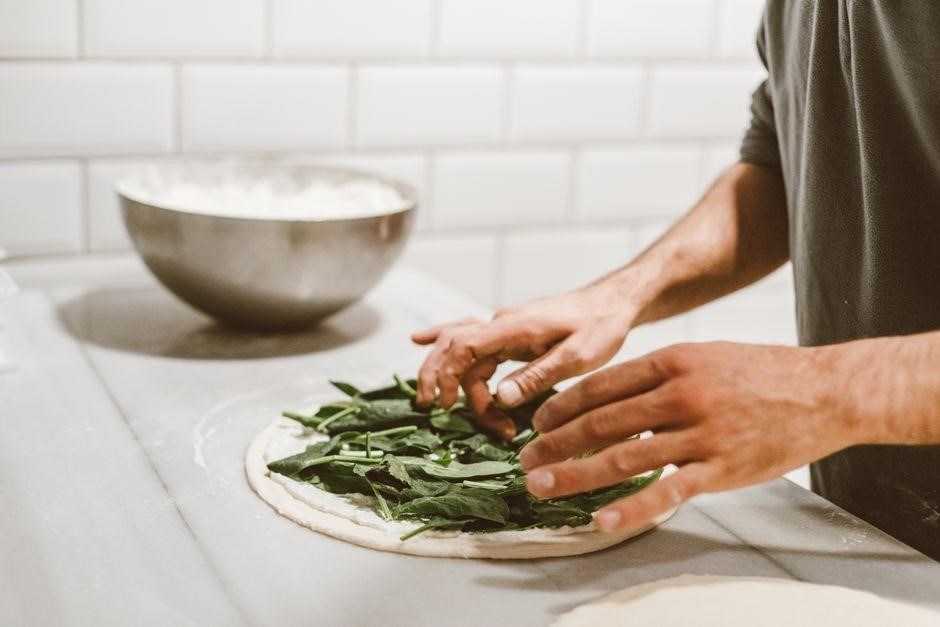
Using a preheated baking sheet offers a more even heat distribution, preventing the bottom from scorching while still achieving a golden crust. The sheet also helps retain moisture, producing a softer, more uniform bite. For thicker‑crust pizzas, a baking sheet can reduce the risk of a soggy center by providing a stable surface that keeps the dough from absorbing excess steam. If you prefer a crispier edge, place the sheet on the middle rack and bake for 8–12 minutes, checking after 6 minutes.
To maximize flavor, preheat the baking sheet for at least 10 minutes before placing the pizza. This ensures the sheet is hot enough to start cooking the crust immediately. If you’re using a pizza stone, the same principles apply: a hot stone mimics a direct rack’s crisping effect but with better heat retention. For a balanced result, place the pizza on a sheet for the first half of the bake, then move it to the rack for the final minute to finish crisping the edges.
Remember to keep the pizza wrapped until it reaches the oven to lock in moisture. Once out, let it rest for a minute before slicing. The choice between sheet and rack ultimately depends on your preferred crust texture and the pizza’s thickness. Experiment with both methods to find the perfect balance for your taste.
Cooking Time for Thin Crust (2-3 minutes)
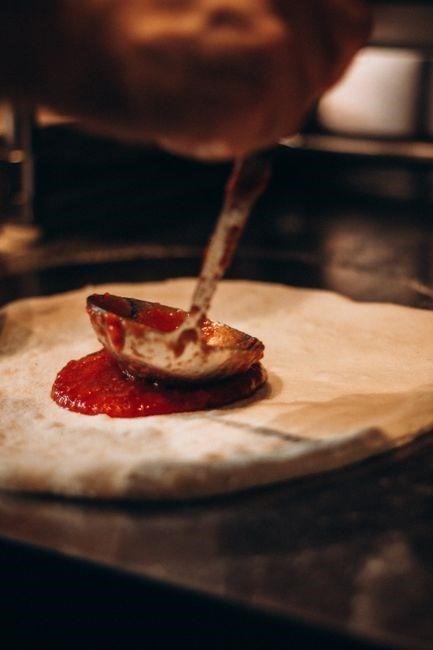
For a thin‑crust Home Run pizza, the key to a perfectly crisp base and melty cheese lies in precise timing and temperature control. Preheat your oven to a high range of 425°F to 450°F (218°C to 232°C). Place the pizza directly on the middle rack or on a preheated baking sheet, depending on your preferred crust texture. If you choose a sheet, preheat it for at least 10 minutes to ensure it is hot enough to start cooking the dough immediately.
Once the oven reaches the target temperature, slide the pizza in and start the timer. For a thin crust, a short bake of 2 to 3 minutes is sufficient. The high heat allows the dough to puff slightly, the cheese to melt and bubble, and the toppings to warm through without drying out the base. Check the pizza after 2 minutes; the crust should be golden brown and the cheese should be bubbling. If you prefer a slightly crispier edge, extend the bake to 3 minutes, but be careful not to overcook, as the thin dough can burn quickly;
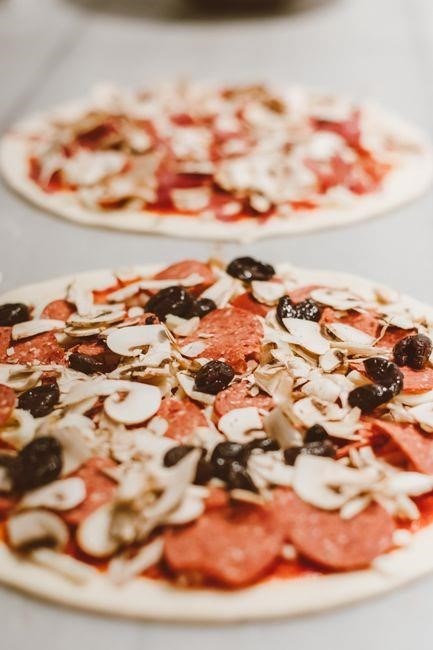
During the short bake, avoid opening the oven door to maintain consistent heat. After the timer signals completion, remove the pizza with a heat‑resistant spatula or pizza peel. Let it rest on a cooling rack for 30 seconds to a minute; this allows residual heat to finish cooking the toppings and prevents the crust from becoming soggy. Slice immediately for the best texture, and enjoy a crisp, flavorful thin‑crust pizza that showcases the brand’s signature quality.
Cooking Time for Thick Crust (3-4 minutes)
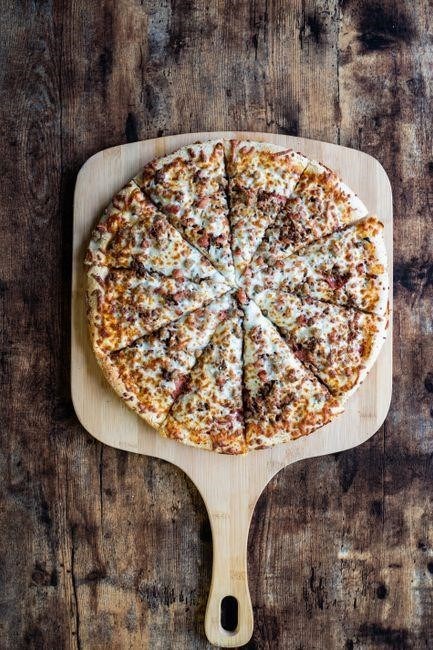
When preparing a thick‑crust Home Run pizza, the baking window extends slightly to ensure the dense dough cooks through while the toppings reach optimal warmth. Preheat the oven to 425°F–450°F (218°C–232°C). Position the pizza on the middle rack or a preheated baking sheet; a sheet offers a softer bottom, whereas a rack promotes a crispier base. Once the oven reaches the desired temperature, slide the pizza in and set a timer for 3 minutes. At the 3‑minute mark, inspect the crust: it should be firm yet pliable, with the cheese bubbling and a subtle golden hue. If the crust appears under‑baked or the cheese is not fully melted, extend the bake by an additional minute, not exceeding 4 minutes total. Avoid opening the oven door during this brief period to maintain consistent heat. After the timer signals completion, remove the pizza with a heat‑resistant peel or spatula. Let it rest on a cooling rack for 30 seconds to a minute; this step allows residual heat to finish cooking the toppings and prevents the crust from becoming soggy. Slice immediately for the best combination of a tender, chewy crust and a well‑cooked topping layer. Following these guidelines guarantees a satisfying thick‑crust experience that highlights the brand’s quality and flavor profile. For those who prefer a slightly crispier edge, a brief broil for 30 seconds after the initial bake can add a golden finish without overcooking the interior. Additionally, if you are using a pizza stone, preheat it for at least 20 minutes to ensure maximum heat transfer. Always keep a close eye on the pizza, as oven temperatures can vary and the thick dough may require a slightly longer bake in some units. Once the pizza is removed, let it cool for a minute before cutting to allow the cheese to set, reducing the risk of it sliding off the slice. Enjoy the result with your favorite dipping sauce or a sprinkle of fresh herbs for an extra burst of flavor. If you are in a hurry, you can preheat the oven to the upper end of the range, 450°F, which may shave off a few seconds. However, be cautious, as the higher temperature can cause the crust to brown too quickly on the outside while the inside remains undercooked. A balanced approach is to bake at 425°F and monitor the crust color. The ideal result is a crust that is lightly browned, slightly chewy, and not soggy, with toppings that are hot and the cheese fully melted. This method ensures a consistent, high‑quality pizza that satisfies both casual snacking and family meals. Remember to use a pizza peel or a large spatula to transfer the pizza safely, as the crust can be fragile during the first few minutes of baking. After removing the pizza, place it on a wire rack to allow air circulation around the base, preventing moisture buildup. If you prefer a crispier bottom, you can place a baking stone or steel in the oven during preheating; this will provide a hotter surface for the crust. Finally, always check the packaging instructions for any specific recommendations, as some variations of the product may have slightly different cooking times or temperatures. By following these detailed steps, you can consistently achieve a thick‑crust pizza that is both flavorful and perfectly cooked, making every bite a satisfying experience.
Post-Cooking Handling and Storage
Cool pizza to room temp, then slice. Serve immediately or wrap leftovers in foil and refrigerate within 2 hours. Keep hot foods hot until serving. Wash surfaces, utensils, and hands after handling raw meat. Follow package for safe storage.Enjoy
Cooling, Serving, and Leftovers
After baking, let the Home Run pizza rest on a wire rack for 2–3 minutes to allow steam to escape and the crust to firm up. This short cooling period prevents sogginess and makes slicing easier. Use a sharp pizza cutter or a long‑blade knife to divide the pie into equal portions.
For those who prefer a crispier edge, place the cooled slice on a clean kitchen towel for a minute; the towel will absorb excess moisture without drying the toppings.
If you’re serving a crowd, arrange the slices on a large platter and keep the plate covered with foil until all guests have taken their share. This simple step preserves heat and flavor.
Leftovers should be handled with care. Wrap each slice tightly in parchment paper or foil, then place in an airtight container or zip‑top bag. Store in the refrigerator at or below 40°F (4°C). Consume within 2–3 days for optimal taste and safety. When reheating, use a pre‑heated oven at 350°F (175°C) for 5–7 minutes, or a microwave on medium power for 30–45 seconds, checking that the cheese is hot and the crust is not soggy.
Always wash your hands, cutting boards, and utensils after handling raw pizza dough or any uncooked meats. Keep raw meats separate from cooked foods to avoid cross‑contamination. By following these cooling, serving, and storage guidelines, you’ll enjoy a consistently delicious Home Run pizza experience every time Enjoy responsibly.