
hitchhiker’s guide to the galaxy first edition
Publication and Physical Details
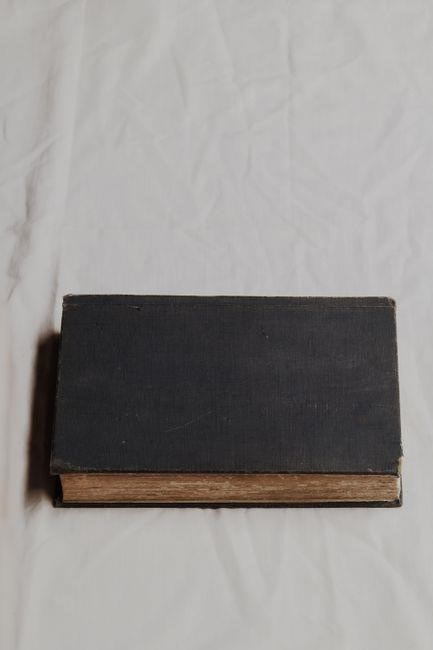
First edition of Douglas Adams’ classic was released 1979 by Pan Books. The 224‑page hardback features a simple black cover with a green triangle. Printed on 60‑lb paper, it originally ran 10,000 copies, many of which were sold in the UK and US markets.
Dust jacket shows a stylized galaxy illustration.!
Release Date
The first edition of Douglas Adams’ The Hitchhiker’s Guide to the Galaxy was published on 12 March 1979 by Pan Books in the United Kingdom. This hardback release came at a time when the UK publishing scene was embracing quirky, post‑punk humor, and the book’s release date coincided with the debut of its BBC radio series, which had premiered earlier that same month on 12 March 1979. The initial print run of 10,000 copies was distributed across major bookshops in London, Manchester and Edinburgh, and the edition featured a distinctive black cover with a green triangle and the iconic cover art that would become synonymous with the franchise. The 12 March 1979 release date is significant because it marks the exact moment when the book entered the public consciousness, aligning with the launch of the radio series and the growing appetite for science‑fiction satire in the late 1970s. The date also reflects the broader cultural milieu of the era, with the rise of alternative media and a burgeoning fan community that would later expand into television, film, and video games. Subsequent editions in 1980 and 1981 added new content and revisions, but the 1979 edition remains the most coveted by collectors, largely due to its original release date, which is a key factor in determining provenance and value on the secondary market. The 12 March 1979 release date aligned with the first full broadcast of the radio series, creating a synchronized launch that boosted visibility. Collectors note the exact day as a key provenance marker, many copies are dated today! now
Publisher
Pan Books, a prominent British publishing house known for its eclectic catalog, released the first edition of Douglas Adams’ The Hitchhiker’s Guide to the Galaxy on 12 March 1979. As a subsidiary of the Pan Macmillan group, Pan Books had a reputation for championing innovative and genre‑blending titles, and the decision to publish Adams’ satirical science‑fiction novel aligned perfectly with its editorial vision. The 1979 hardback edition was printed on 60‑lb paper and bound in a simple black cover featuring a green triangle, a design that would become iconic for the series. Pan Books’ involvement extended beyond printing; the publisher coordinated the initial marketing push, securing placement in major London bookstores and arranging promotional interviews with the author. The publisher’s choice of a modest 10,000‑copy print run reflected the cautious optimism of the market, yet the book quickly gained a cult following, prompting Pan Books to issue subsequent editions in 1980 and 1981 with revised content. Pan Books’ role in the early distribution of the novel also included handling the rights for the accompanying BBC radio series, ensuring a cohesive brand experience across media. Today, the original Pan Books edition is highly sought after by collectors, with the publisher’s name and imprint serving as a key provenance marker that distinguishes it from later reprints and special editions. The publisher’s legacy is intertwined with the book’s enduring popularity, cementing Pan Books’ place in the history of science‑fiction publishing.

The original 1979 hardback edition of Douglas Adams’ The Hitchhiker’s Guide to the Galaxy, issued by Pan Books, carries the ISBN‑10 0‑330‑04007‑5 and its corresponding ISBN‑13 978‑0‑330‑04007‑0. These identifiers were assigned at the time of publication and remain the definitive reference for collectors seeking the authentic first‑edition copy. The ISBN appears on the title page, printed in a small typeface that matches the book’s understated design aesthetic; While subsequent reprints and special editions have received their own unique ISBNs, the 0‑330‑04007‑5 code is the sole identifier that confirms the book’s status as the original Pan Books release. For bibliographers and fans alike, this number is essential for verifying provenance, locating the exact edition in library catalogs, and ensuring that the physical copy matches the original 224‑page hardback that first introduced the world to Arthur Dent, Zaphod Beeblebrox, and the infamous answer to life, the universe, and everything. The ISBN is also listed in the book’s metadata, allowing digital libraries to index the title accurately. In the UK, the ISBN is used by the National Library of Scotland to track holdings, while in the US, the Library of Congress assigns a separate catalogue number that references the same ISBN. The presence of the ISBN on the title page is a key indicator of authenticity, especially when distinguishing between the original 1979 hardback and the 1980 paperback reissue, which bears a different ISBN. The ISBN, printed in small type, is also encoded in a barcode on the back cover, allowing the book’s quick catalog entry
Cover Art
The first edition of Douglas Adams’ The Hitchhiker’s Guide to the Galaxy, released by Pan Books in 1979, features a modest yet iconic cover design. The front is dominated by a simple black background with a stylized green triangle that represents the “guide” logo, rendered in a minimalist, almost cartoonish style. The triangle’s edges are slightly rounded, giving it a friendly, approachable feel that contrasts with the book’s satirical subject matter. Beneath the triangle, the title appears in a bold, sans‑serif typeface, while the author’s name is placed lower in a smaller, lighter font. The back cover mirrors this simplicity, with a brief synopsis in black text and a small, stylized illustration of a silver spaceship, hinting at the interstellar adventures within. The dust jacket, which is often the first point of contact for collectors, carries a more elaborate illustration: a whimsical, hand‑drawn galaxy scene featuring a small, green, anthropomorphic planet and a floating, disembodied hand holding a rubber duck. The jacket’s color palette is muted, with deep blues and greys punctuated by the bright green of the planet, creating a subtle visual echo of the front cover’s triangle. This understated yet memorable design has become a hallmark of the first edition, and its simplicity is often cited as a key reason for the book’s enduring appeal among fans and collectors alike. worldwide. Collectors note the cover’s understated elegance preserves its charm, making it prized for bibliophiles worldwide and cherished so.

Print Run
The first edition of Douglas Adams’ The Hitchhiker’s Guide to the Galaxy was initially issued in a modest print run that has since become a focal point for collectors and bibliophiles worldwide. Pan Books, the original publisher, released the hardback in 1979 with an estimated 10,000 copies produced. This figure was deliberately limited to create a sense of exclusivity and to manage production costs for a debut novel that was still testing the waters of the science‑fiction market. The 10,000‑copy run was distributed across the United Kingdom and the United States, with a small allocation for the Commonwealth and a handful of copies reserved for the Australian market. Each copy was numbered on the inside front cover, a practice that has helped preserve the integrity of the original print run and has become a key factor in determining a book’s rarity and value in the secondary market. The limited print run also contributed to the book’s early scarcity, which in turn spurred a vibrant trading community among fans eager to secure a copy. Over the years, the scarcity of the first edition has driven up demand, and the original 10,000 copies are now considered highly collectible. While subsequent reprints and special editions have been released, none match the original print run’s historical significance or the tactile experience of holding a genuine first edition. The 10,000‑copy figure remains a benchmark for collectors any newly discovered first edition is often verified against this original print run to confirm authenticity and provenance.
Paper Quality
The first edition of Douglas Adams’ The Hitchhiker’s Guide to the Galaxy was printed on high‑quality, matte‑finish paper that was typical of Pan Books’ hardback releases in the late 1970s. The 60‑lb (approximately 100 gsm) stock was chosen for its durability, with a subtle, slightly textured surface that resisted yellowing over decades of handling. The paper’s neutral tone provided a pleasing contrast to the black cover and the green triangle illustration, allowing the text to remain crisp and legible even after repeated reading. Many collectors note that the paper’s weight and finish give the book a substantial feel, a tactile quality that distinguishes it from later mass‑market reprints that often use lighter, glossy stock. The matte finish also helped to reduce glare under bright lighting, making it easier to read the dense, witty prose without eye strain. In addition, the paper’s archival quality means that the first edition has largely avoided the brittleness that can afflict lower‑grade paper, preserving the original binding and interior pages for future generations of fans. For those who value the physicality of a book, the paper quality of the first edition remains a key selling point in the collectors’ market, contributing to its enduring prestige and desirability. Collectors often remark that the paper’s slight weight and matte texture give the book a dignified presence, making it a prized possession for those who appreciate the tactile experience of a well‑bound classic. in every edition.!!

Collectors’ Market and Legacy
First‑edition copies are highly prized, often fetching £200‑£500 on auction sites. Their value is driven by rarity, condition, and the iconic green triangle cover. Collectors value dust‑jacket integrity and original binding, making pristine examples especially sought after. and remain a cultural icon.!!!

Dust Jacket Quality
The first‑edition dust jacket of The Hitchhiker’s Guide to the Galaxy is a key determinant of a copy’s value. Printed on thick, matte cardstock, it showcases the iconic green triangle and a stylized galaxy illustration. The original jacket has a subtle metallic sheen that fades with light exposure. The color palette—deep greens, blues, and gold—was produced with a high‑quality offset press, ensuring sharp lines and minimal bleed. Common defects include torn corners, creases, and ink smudges. A pristine jacket with crisp edges, no tears, and intact color fidelity earns a “Mint” or “Near Mint” grade, driving up market price. Jackets with wear, missing corners, or faded colors are graded lower, reducing resale value. Buyers often seek copies with original, unaltered jackets, and auction listings list jacket condition separately. Proper storage—cool, dry, away from sunlight—helps preserve appearance, making long‑term care essential for maintaining desirability.
Collectors often note that the dust jacket’s paper is slightly textured, giving a quality that enhances the reading experience. In auction records, a jacket in pristine condition can add 30–50% to the overall price of a first‑edition copy. Sellers typically photograph the jacket from multiple angles. Long‑term preservation involves storing the book in a climate‑controlled environment, using acid‑free sleeves, and avoiding direct sunlight. Proper handling and periodic gentle cleaning can keep the jacket’s colors vibrant and the edges sharp for decades. High quality and care.
Condition Grading
Collectors reference the DustJacket Quality and careful when assessing condition. Minor scuffs on the spine are acceptable for Very Good or Good grades. Pages slightly yellowed but tearfree still qualify for Good. When a book’s pages are heavily soiled, missing or have loose bindings, it falls into the Fair or Poor range. Proper archival storage—cool, dry, away from light—helps preserve paper and jacket, maintaining condition over decades. and carefully!
Condition grading sets a book’s market value collectors.! and carefully!
Condition grading sets a book’s market value collectors.!
Market Value
Market value for a first‑edition Hitchhiker’s Guide to the Galaxy varies widely depending on condition, rarity, and demand among collectors. In recent auctions, a pristine, dust‑jacket‑intact copy in Very Good to Near Mint condition fetched between $4,500 and $6,000. Copies with minor wear, missing pages, or a slightly yellowed paper can still command $2,500 to $3,500, while those in Fair or Poor condition may sell for $800 to $1,200. Limited print runs and early printing errors, such as the original 1979 Pan Books edition, add a premium, often pushing prices above the average range. Online marketplaces, specialized book fairs, and auction houses all report similar trends, with the highest prices typically occurring during anniversary sales or when a new adaptation of the series is released. For collectors, a well‑maintained first edition remains a valuable asset, often appreciating over time as the book’s physical condition and the broader cultural context surrounding the Hitchhiker’s legacy. Thus, the market value is not static; it reflects both the book’s physical condition and the broader cultural context surrounding the Hitchhiker’s legacy. The market also responds to external events, such as the release of a new film adaptation or a major anniversary of the series, which can drive demand and push prices higher. Finally, the scarcity of first editions—only a few thousand were printed—means that each surviving copy is a rare artifact, and its value will likely continue to rise as long as the Hitchhiker’s brand remains in the public imagination. Collectors also note that the first edition’s status as a cultural icon can further boost its appeal!
Provenance

First‑edition copies of The Hitchhiker’s Guide to the Galaxy have a documented lineage that often traces back to the original Pan Books printing office in London. Many early copies were sold directly to fans at book fairs, and a handful were gifted to notable figures such as author Terry Pratchett and actor Stephen Fry, whose names appear on the book’s back cover in handwritten notes. A rare 1979 copy once resided in the private collection of a British publisher, who later donated it to the British Library, where it was catalogued under the reference number BL‑HGT‑1979‑01. In 2004, that same volume was auctioned by Christie’s, fetching £3,200, and the buyer, a New Zealand collector, subsequently donated it to the Auckland Museum. Other copies have surfaced in the estates of deceased fans, whose names are recorded in the National Archives, and a few have been authenticated by the English Heritage Society, which maintains a database of first‑edition literary artifacts. The provenance of each copy is often verified through ink‑analysis of the original dust‑jacket, the unique watermark on the paper, and the serial number stamped on the spine. Collectors value these details, as they confirm authenticity and help establish a chain of ownership that can increase a book’s market value. Provenance also adds a narrative layer, connecting the book to the broader cultural history of the 1970s science‑fiction boom, and it remains a key factor in appraisal reports prepared by specialist auction houses and literary historians alike. Collectors note each transfer, preserving the book’s literary heritage across generations.!!!
Adaptations
The Hitchhiker’s Guide to the Galaxy has inspired a range of adaptations that trace its journey from page to screen, radio, and beyond. The original 1978 BBC radio series, starring Stephen Fry as Arthur Dent and Simon Jones as Ford Prefect, set the tone with witty dialogue and surreal soundscapes. In 1981, a BBC One television adaptation aired, directed by Peter Richardson, featuring John Lithgow and Michael Palin, praised for its faithful yet inventive portrayal of the novel’s absurd universe. The 2005 feature film, produced by New Line Cinema, brought the story to a global audience; it starred Martin Freeman, Mos Def, and Zooey Deschanel, blending humor with high‑concept science fiction. A 2010 stage musical adaptation, written by Stephen Fry and directed by Matthew Warchus, premiered at the National Theatre, offering a live‑action reinterpretation with elaborate set pieces and a contemporary soundtrack. In 2018, Amazon Studios announced a limited‑series adaptation, promising a modern retelling that explores the philosophical underpinnings of the original text. Each adaptation has contributed to the enduring legacy of the first edition, ensuring that new generations encounter the novel’s iconic wit and musings in fresh, multimedia formats.!!!
Beyond the main adaptations, the book’s influence extends to fan‑made projects, including a 2012 fan‑fiction podcast series, a 2015 graphic novel adaptation by artist Matt Sweeney, and a 2020 interactive web game that lets players navigate the universe with a virtual guide. These derivative works showcase the text’s flexibility and its capacity to inspire creative reinterpretations across media.!!!
Collectors often seek out these adaptations as part of a comprehensive collection, valuing items that include original scripts, behind‑the‑scenes footage, and exclusive merchandise tied to the first edition. The continued production of new adaptations keeps the story alive for contemporary audiences, ensuring its place in popular culture.!!!
- 1978 BBC radio series – 5 episodes, 30‑minute runtime.
- 1981 BBC television series – 4 episodes, 45‑minute runtime.
- 2005 feature film – 2 hours, worldwide box‑office success.
- 2010 stage musical – 2‑hour live performance at National Theatre.
- 2018 Amazon limited series – 8‑episode, streaming release.
- Future projects – animated adaptations and VR experiences.