manual transmission sticking
Manual Transmission Sticking: A Comprehensive Guide
Experiencing difficulty shifting gears, especially noticing issues with reverse and first gear, alongside thudding sounds? This guide explores potential causes, from linkage adjustments to fluid levels, and when professional help is needed.
Understanding the Problem
A sticking manual transmission manifests as difficulty selecting gears, often accompanied by unusual noises or a complete inability to engage a specific gear. This isn’t merely a matter of driver error; it signals an underlying mechanical issue demanding attention. The problem can range from minor inconveniences, like a slight resistance when shifting into first, to severe situations where the shifter feels locked or unresponsive, leaving you stranded in neutral.
Intermittent sticking, as reported by some drivers, adds another layer of complexity. The transmission might function normally for a period, then suddenly become difficult to operate. This inconsistency makes diagnosis challenging, requiring a systematic approach to pinpoint the root cause. Often, the issue stems from incomplete clutch disengagement, preventing smooth gear changes. The clutch system, transmission fluid, or internal transmission components could be the culprits.
Ignoring a sticking transmission can lead to further damage, potentially requiring costly repairs or even a complete transmission replacement. Early identification and addressing the problem are crucial for maintaining vehicle reliability and preventing more significant issues down the road; Understanding the nuances of this issue is the first step towards a solution.
Common Symptoms of a Sticking Manual Transmission
Several telltale signs indicate a potential issue with your manual transmission. Difficulty engaging gears, particularly reverse and first, is a primary symptom, often requiring excessive force or multiple attempts. A noticeable “thud” or grinding sound when attempting to shift can also signal a problem, suggesting gears aren’t meshing smoothly.
Another common indicator is the inability to select any gear at all, with the shifter moving freely within the neutral position. This suggests a disconnection within the shifting mechanism. Notchy or resistant shifting, even in gears that eventually engage, points to increased friction within the transmission. Furthermore, experiencing difficulty downshifting, or a delay in gear engagement, should raise concerns.
Pay attention to any unusual noises, such as whining or grinding, emanating from the transmission during operation. These sounds often indicate internal wear or insufficient lubrication. Intermittent symptoms, where the problem appears and disappears, are also common, making diagnosis more challenging. Ignoring these symptoms can lead to more extensive and expensive repairs.
Possible Causes: Clutch System Issues
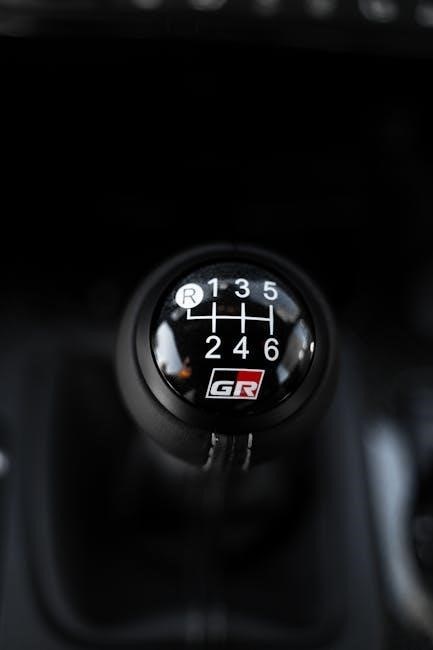
A sticking manual transmission often originates within the clutch system. Incomplete clutch disengagement is a primary culprit, preventing the engine from fully separating from the transmission during shifts. This can stem from several factors, including a worn clutch disc, a damaged pressure plate, or issues with the throw-out bearing.
Clutch cable problems, such as stretching or fraying, can lead to insufficient pedal travel and incomplete disengagement. Conversely, a faulty hydraulic clutch system – encompassing the master and slave cylinders, and lines – can also cause similar issues due to fluid leaks or internal failures. Air within the hydraulic system can also compromise performance.
Furthermore, a misadjusted clutch cable or hydraulic linkage can prevent proper operation. If the clutch isn’t fully disengaging, forcing shifts will exacerbate the problem and potentially damage transmission components. Thorough inspection of the entire clutch system is crucial when diagnosing a sticking transmission, as it’s often the root cause.

Clutch Cable Adjustment and Inspection
Proper clutch cable adjustment is paramount for smooth shifting and preventing a sticking transmission. Begin by inspecting the cable for any visible signs of wear, fraying, or damage along its length. Check for smooth operation; any binding or stiffness indicates a potential problem requiring replacement.
Adjustment typically involves a threaded adjuster near the pedal or transmission. Loosen the locknut and adjust the cable until a small amount of free play exists at the pedal – usually around 1/2 to 1 inch. This free play ensures the clutch is fully disengaging when the pedal is depressed.
Incorrect adjustment can lead to either incomplete disengagement (difficult shifting) or the clutch slipping. After adjusting, test the shifting through all gears. If issues persist, re-check the adjustment. If the cable continues to stretch or fails to hold adjustment, replacement is necessary. A worn or damaged cable compromises the entire clutch system’s functionality and contributes to shifting difficulties.
Hydraulic Clutch System Problems
Vehicles equipped with hydraulic clutch systems utilize fluid pressure to actuate the clutch fork, unlike cable-operated systems. Problems within this system can manifest as difficulty shifting or a sticking transmission. Begin by inspecting the clutch master and slave cylinders for leaks – look for dampness around the cylinders and hoses.
Air trapped within the hydraulic lines is a common culprit, causing a spongy pedal feel and incomplete clutch disengagement. Bleeding the system, similar to brake bleeding, removes this air. Low or contaminated clutch fluid can also cause issues; ensure the fluid level is correct and the fluid is clean.
A failing master or slave cylinder will often result in a gradual loss of clutch function. Internal leaks within these components reduce pressure, hindering proper clutch operation. Thoroughly inspect hoses for cracks or swelling. If bleeding doesn’t resolve the issue, or leaks are present, cylinder replacement is usually required to restore proper hydraulic pressure and smooth shifting.
Possible Causes: Transmission Fluid
The transmission fluid, or gear oil, plays a crucial role in lubricating the internal components of a manual transmission, ensuring smooth gear engagement. When this fluid is low or degraded, it can significantly contribute to sticking or notchy shifting. Low fluid levels reduce lubrication, increasing friction between gears.
Contaminated fluid, filled with metal particles or debris, exacerbates this issue, creating an abrasive paste that damages gear surfaces. This leads to increased resistance and difficulty selecting gears. Grinding or whining noises often accompany these conditions, signaling potential transmission damage.
Regularly checking the transmission fluid level and condition is vital. The fluid should be at the appropriate level, as specified in your vehicle’s owner’s manual, and appear relatively clean and free of metallic flakes. Addressing fluid issues promptly can prevent further wear and tear, potentially avoiding costly repairs. Ignoring this can lead to significant internal damage.
Checking Transmission Fluid Level and Condition
Locating the transmission fluid dipstick is the first step; consult your vehicle’s owner’s manual for its specific location, as it varies between models. With the engine warmed up and running (check manual for specific requirements – some require engine off), carefully remove the dipstick and wipe it clean with a lint-free cloth.
Reinsert the dipstick fully and then remove it again to check the fluid level. Compare the fluid level to the “Min” and “Max” or “Hot” and “Cold” markings on the dipstick. The level should fall within this range. Next, assess the fluid’s condition. Healthy transmission fluid is typically reddish or amber in color.
Dark, murky, or burnt-smelling fluid indicates degradation and contamination. The presence of metallic flakes is a serious sign of internal wear. If the fluid is low, discolored, or contains debris, it should be replaced. Proper fluid maintenance is crucial for preventing sticking and ensuring smooth gear changes.
Recommended Transmission Fluid Types
Selecting the correct transmission fluid is paramount; using the wrong type can exacerbate sticking issues and even cause significant damage. Your vehicle’s owner’s manual is the definitive source for the manufacturer’s recommended fluid specification. Generally, manual transmissions utilize GL-4 or GL-5 gear oil, differing in their additive packages and suitability for various gear materials.
GL-4 fluids are typically recommended for older transmissions with brass or bronze synchronizers, while GL-5 fluids are designed for hypoid gears commonly found in newer vehicles. Synthetic gear oils offer superior performance, providing better thermal stability, shear resistance, and protection against wear.
Consider viscosity as well; 75W-80, 75W-90, and 80W-90 are common viscosities. The “W” rating indicates winter performance, with lower numbers signifying better cold-weather fluidity. Always verify compatibility before mixing different fluid types. Using the specified fluid ensures optimal lubrication and minimizes the risk of sticking.
Possible Causes: Internal Transmission Components
When external factors are ruled out, internal transmission components become the prime suspects for a sticking manual gearbox. Worn synchronizers are a frequent culprit, responsible for matching the speeds of gears during shifts. As they wear, they struggle to synchronize, leading to grinding and difficulty engaging gears, particularly noticeable when shifting into reverse or first.
Damaged or worn gear teeth can also cause sticking, creating friction and resistance. Bent shift forks, though less common, can misalign gears, preventing smooth engagement. Internal damage often arises from prolonged use with low or contaminated fluid, or aggressive shifting habits.
A thorough inspection, typically requiring transmission removal, is necessary to diagnose these internal issues. This involves examining the synchronizers, gears, shift forks, and bearings for wear, damage, or deformation. Addressing these internal problems usually necessitates a complete transmission rebuild or replacement.
Worn Synchronizers and Their Impact
Synchronizers are crucial components within a manual transmission, responsible for seamlessly matching the speed of the gear being selected with the main shaft. This synchronization prevents grinding and allows for smooth gear engagement. Over time, these synchronizers experience wear due to constant friction during shifting, especially with aggressive driving or delayed clutch engagement.

As synchronizers wear, their ability to effectively match speeds diminishes, resulting in noticeable difficulty shifting, particularly into specific gears like reverse or first. This manifests as grinding noises, a sensation of the shifter ‘fighting’ you, or an inability to fully engage the gear. Intermittent sticking can also occur as worn synchronizers struggle consistently.
The impact extends beyond difficulty shifting; worn synchronizers accelerate wear on other transmission components, like gear teeth. Diagnosis often involves a transmission disassembly to visually inspect the synchronizer sleeves, cones, and blocking rings for wear or damage. Replacement of worn synchronizers is a common repair during a transmission rebuild.
Shift Linkage Problems
The shift linkage is the mechanical connection between your gear shift lever and the transmission itself. It translates your movements into the necessary actions to select different gears. Problems within this system are a frequent cause of sticking or difficult shifting, often requiring increased force to move the lever.
Issues can stem from several sources: worn or damaged linkage bushings, loose connections, or even bent components. Improper adjustment of the linkage is a particularly common culprit, increasing the distance the shifter must travel or misaligning it with the transmission’s internal mechanisms. This misalignment directly translates to resistance when attempting to change gears.
Symptoms include a vague or sloppy shifter feel, difficulty finding gears, and the sensation that the shifter isn’t fully engaging. In severe cases, the linkage may prevent you from selecting certain gears altogether. Correcting linkage problems often involves inspection, adjustment, or replacement of worn components, restoring smooth and precise shifting.
Inspecting and Adjusting Shift Linkage
A thorough inspection of the shift linkage begins with visually checking for any obvious damage – bent rods, cracked bushings, or loose connections. Pay close attention to where the linkage connects to both the shifter and the transmission; these are common wear points. Gently attempt to move the linkage by hand, feeling for excessive play or binding. Any noticeable looseness indicates worn bushings or joints needing attention.
Adjustment procedures vary depending on the vehicle’s design, but generally involve loosening mounting points and repositioning the linkage to ensure precise alignment. Consult your vehicle’s repair manual for specific instructions and torque specifications. Proper alignment ensures the shifter travel directly corresponds to the transmission’s gear selection.
When adjusting, aim for smooth, effortless gear engagement across the entire range. After adjustment, test drive the vehicle, paying attention to how easily each gear is selected. Re-adjust if necessary until optimal shifting performance is achieved. Replacing worn bushings during this process is highly recommended for a lasting repair.
Diagnosing Intermittent Sticking
Intermittent sticking presents a unique challenge, as the issue isn’t consistently present during inspection. Begin by meticulously documenting when the sticking occurs – is it after the car has warmed up, only in specific gears, or under certain driving conditions? This pattern recognition is crucial.
Employing a methodical approach is key. Start with the basics: verify proper clutch engagement and fluid levels. Then, focus on observing the shifter’s behavior while someone else operates the clutch and throttle. Listen for any unusual noises accompanying the sticking.
Diagnostic tools can aid in pinpointing the source. A scan tool might reveal transmission-related error codes, even if the check engine light isn’t illuminated. Carefully examine the shift linkage for subtle binding that might only manifest under load. Remember, online diagnosis is limited; a hands-on assessment utilizing all your senses is paramount to accurately identify the root cause of the problem.
Using Diagnostic Tools and Techniques
Effective diagnosis requires a blend of observation and tools. Begin with a thorough visual inspection of the shift linkage, searching for wear, corrosion, or improper alignment. A mechanic’s stethoscope can help isolate noises originating from within the transmission itself, potentially revealing worn synchronizers or bearings.
Scan tools, while not always definitive, can retrieve diagnostic trouble codes (DTCs) related to the transmission control system, even if no warning lights are active. These codes can offer clues, though they rarely pinpoint the exact issue. Pressure testing the hydraulic clutch system (if equipped) can reveal leaks or failing components.
A crucial technique involves carefully monitoring transmission fluid condition. Look for metallic particles, a burnt smell, or a milky appearance, all indicators of internal damage. Resistance measurements of sensors and actuators can also help identify faulty components. Remember, a systematic approach, combined with informed interpretation of tool readings, is vital for accurate diagnosis.
DIY Solutions vs. Professional Repair
Addressing a sticking manual transmission often presents a spectrum of repair options, ranging from simple DIY fixes to complex professional interventions. Adjusting the shift linkage or clutch cable, if the issue stems from improper alignment, can be tackled by mechanically inclined individuals with basic tools and a service manual.
Similarly, checking and topping off or replacing transmission fluid is a relatively straightforward task. However, diagnosing internal transmission problems – like worn synchronizers or damaged gears – demands specialized knowledge, tools, and experience. Attempting such repairs without proper expertise can exacerbate the issue and lead to costly mistakes.
Generally, if the problem is intermittent, or if you suspect internal damage, seeking professional help is prudent. A qualified mechanic can accurately diagnose the root cause and recommend the most appropriate repair strategy, potentially saving you time, money, and further complications. Don’t hesitate to consult a professional when in doubt.
When to Seek Professional Help
Determining when a sticking manual transmission requires professional attention is crucial. If initial DIY checks – like fluid level and linkage inspection – don’t resolve the issue, it’s time to consult a mechanic. Intermittent problems, where the transmission sometimes sticks and sometimes shifts smoothly, are particularly indicative of internal issues needing expert diagnosis.
Grinding noises during shifting, difficulty engaging any gear, or a complete inability to shift are red flags demanding immediate professional evaluation. These symptoms suggest significant internal damage, potentially to synchronizers or gears. Ignoring these signs can lead to catastrophic transmission failure and a much more expensive repair bill.
Furthermore, if you’re uncomfortable performing any repairs yourself, or lack the necessary tools and experience, seeking professional help is always the best course of action. A qualified mechanic possesses the diagnostic tools and expertise to accurately pinpoint the problem and implement a lasting solution, ensuring your vehicle’s safe and reliable operation.
Preventative Maintenance for a Smooth Shift
Proactive maintenance is key to preventing a sticking manual transmission and ensuring long-term reliability. Regularly checking and replacing transmission fluid, according to the manufacturer’s recommendations, is paramount. Using the correct fluid type is equally important, as incorrect fluids can cause lubrication issues and accelerate wear.
Periodically inspect the shift linkage for looseness or damage, and adjust as needed. A properly adjusted linkage minimizes stress on the transmission components and ensures smooth, precise shifts. Pay attention to the clutch cable (if applicable) and ensure it’s correctly adjusted for optimal engagement and disengagement.
Avoid harsh shifting practices, such as aggressive clutch dumping or forcing the gear lever. Smooth, deliberate shifts reduce wear and tear on internal components. Finally, be mindful of any unusual noises or changes in shifting feel, and address them promptly. Early detection and intervention can prevent minor issues from escalating into major, costly repairs.